Before the trek

Overview

Transcript

Welcome. Before the itinerary picks up speed, here is Peru as a whole, and then the Cusco region waiting ahead.

Peru wears three faces at once. A desert coast fed by cold Pacific current, fog, and irrigation. A spine of Andes so high the sky feels close. And an Amazon slope falling east into green that seems endless. The days ahead live mostly in the highlands, with cloud-forest glimpses of the eastern green as the trail drops toward Machu Picchu.

Spanish runs the cities. Quechua still shapes the highlands. When a soft word for mountain or potato does not sound Spanish, that is the older language still present. Aymara lives farther south and east. Language is geography you can hear.

Thin air will be with you the whole time. Cusco sits roughly thirty-four hundred meters — about eleven thousand feet — roughly forty-four hundred feet higher than Steamboat Springs at about sixty-seven hundred. Drink water. On the first days, walk more slowly than you think you need to. Altitude is not a test of character. It is physics. Coca tea is cultural and common. Altitude medicines belong in a conversation with a doctor before departure, not something to improvise after you arrive.

Picture a composer in Lima in nineteen thirteen: Daniel Alomía Robles. He shapes a musical scene called El Cóndor Pasa — the condor passes — as part of a larger zarzuela. Decades later Simon and Garfunkel take that melody and release their nineteen seventy version under the title El Cóndor Pasa, and in English, If I Could. It is the same soaring bird, landing in different living rooms. When a huge bird’s shadow crosses a ridge later on, it is hard not to smile. Peru has been stuck in the world’s ear for a long time.

One more song with a real Cusco name: Valicha, a beloved huayno by Miguel Ángel Hurtado Delgado, nicknamed from Valeriana. Locals still dance it when they want the sound of home — not a souvenir soundtrack, but a living one. If a plaza band swings into something that makes feet move before the brain catches up, that might be the neighborhood inviting people to dance.

The Inca state ran on roads. UNESCO calls the system Qhapaq Ñan — the Andean Road System — and inscribed it as World Heritage in twenty fourteen. The network covered more than thirty thousand kilometers at its height, tying snow peaks above six thousand meters to coast, valleys, and rainforest edges. Four principal routes radiated from Cusco’s central square across the four suyus of Tawantinsuyu. UNESCO’s inscribed components highlight hundreds of sites and hundreds of kilometers of surviving segments chosen to show engineering, trade, lodging, storage, and sacred places.

Along those arteries moved llama caravans, armies, officials, and whole communities. The Smithsonian’s Great Inka Road teaching materials describe chaskis — relay messengers — carrying memorized verbal messages, khipu knot records, and small packages between chaskiwasi stations roughly ten to fifteen kilometers apart. A runner sounded a shell trumpet as he approached so the next runner was ready. About twenty-five runners could cover roughly two hundred forty kilometers in a day. Quito to Cusco — about two thousand kilometers — could take about a week. That is statecraft at a human pace, not a myth.

Tambos offered lodging at roughly a day’s walk. Qullqas stored goods. The road was reserved for state business — ayni reciprocity and mit’a labor obligations beneath the poetry of stone stairs and hanging bridges. When boots later meet stacked apachetas or a contour path that feels older than the GPS track, remember: some of those lines still whisper the old grid.

Coastal fame starts with ceviche: fresh raw fish briefly cured in citrus juice, usually lime, then brightened with onion, cilantro, and chili heat. It is cold, sharp, and bright on the tongue. UNESCO recognizes practices and meanings around Peruvian ceviche as intangible cultural heritage. Order it only when seafood works for the whole table — and in the highlands, trout versions appear more often than ocean fish. If stomachs are negotiating with altitude, wait for a solid lunch day rather than forcing a first-morning coastal classic at eleven thousand feet.

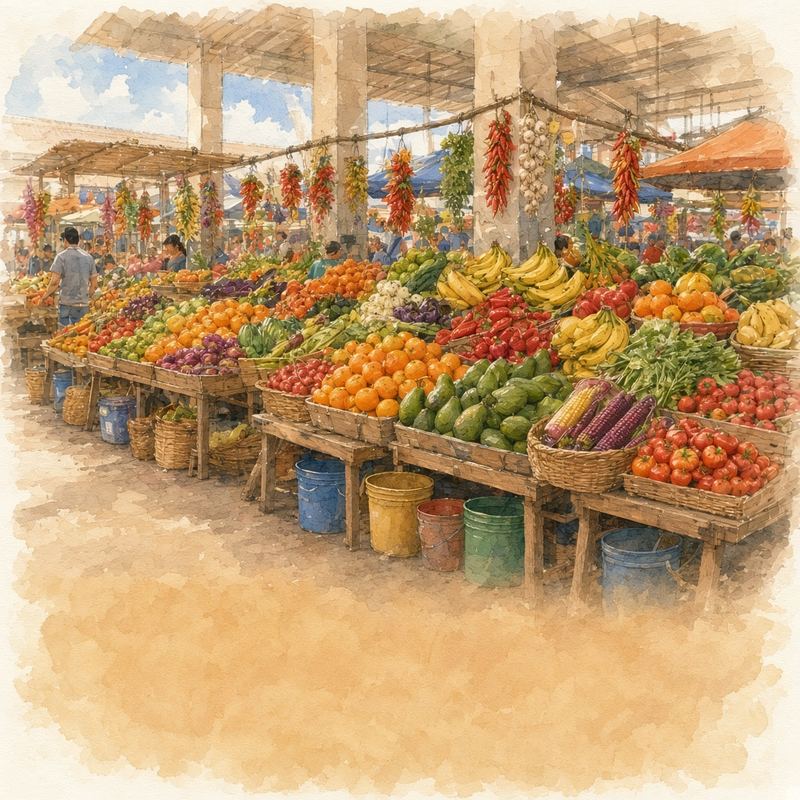
Highlands answer with potatoes by the thousand — Peru grows three thousand-plus varieties — giant Sacred Valley corn called choclo, quinoa with all the amino acids, lean alpaca, purple chicha morada cooked from corn, and fermented chicha de jora. Quinoa soup on a cold morning is simple and comforting. Street snack of the valley: choclo con queso — giant corn with cheese — which will show up again when Sunday markets enter the picture. Try lomo saltado when a wok smell of soy, vinegar, beef, onions, and fries calls from a busy lunch counter — Chinese-Peruvian fusion that became national comfort. Aji de gallina is shredded chicken in a gently spicy yellow sauce. Rocoto relleno is stuffed hot pepper — spicy outside with a mild filling. Causa is cold mashed yellow potato layered with fillings. Consider sharing a plate or two before ordering a full round.

In Cusco itself, desserts hide in plain sight. Picarones — sweet potato and squash doughnuts with syrup — show up on Ruinas Street and in market corners. Mazamorra morada is purple corn pudding, and arroz con leche often arrives as a combinado beside it. Alfajores with manjar blanco are sandwich cookies with milk caramel. San Pedro and San Blas markets are reliable places to look without needing a formal restaurant.

Picanterías keep lunchtime culture alive: wood fire, clay pots, generous portions, chicha de jora, frutillada. Cusco.tips describes them as informal houses — sometimes courtyard quintas — that feed workers, families, musicians. Look for a pole with a red flag or cloth, sometimes with flowers or rue — an old signal that fresh chicha is for sale inside. Quinta Eulalia on Choquechaca three eighty-four has been going since nineteen forty-one and is known for rocoto relleno and a courtyard setting. Quinta Waly on Avenida Alta five oh six, since nineteen seventy-six, is a strong vegetarian-friendly stop for mushroom kapchi — a creamy cheese stew with broad beans or mushrooms and potatoes. La Chomba on Avenida Tullumayo three thirty-nine is known for trout, frutillada, and hearty Andean plates. Las Manuelitas dates to about nineteen thirty. Mamá Trini — a picantería at Kiskapata behind the San Blas mirador since nineteen sixty-seven — cooks over wood fire in clay pots: chicharrón, chicha de jora, frutillada; roughly one to six P.M., cash, stairs down. South Valley travelers talk about Saylla for chicharrón and Tipón for Inca water terraces; Lucre is another South Valley lunch stop. All of these are lunch-only runs, not late dinners. Caporales — those big shared glasses of chicha — are best sipped slowly at altitude.

In the Sacred Valley, family chicherías — home-style corn-beer kitchens — often signal fresh chicha and lunch with that same red flag. Watch for them in villages like Pisac, Urubamba, and Chinchero. Lunch culture, not a midnight stop. If the pole is up, someone is cooking.

Nightlife in Cusco, for later city evenings, is more plaza-and-live-music than megaclub. Cusco.tips jazz and live-music notes point toward San Blas corners and spots like Ukukus or KM Zero when a band is on — check current nights locally. Centro Qosqo de Arte Nativo keeps Andean performance traditions on stage for visitors who want music and dance without inventing a party scene that isn’t there. After a trek day, an early night counts as a good evening.

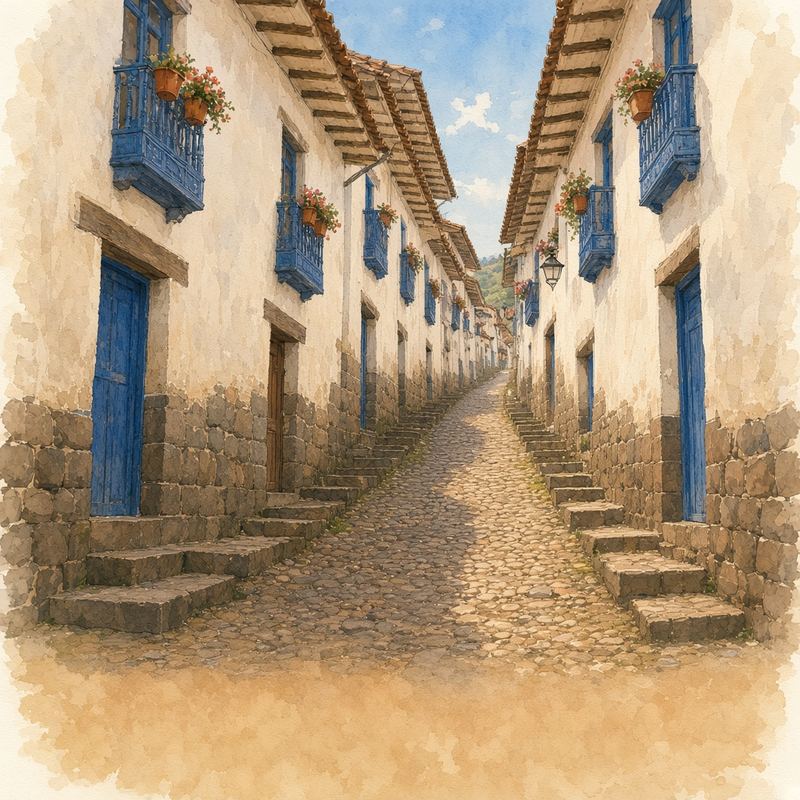
A boy named Gómez Suárez de Figueroa was born in Cusco in fifteen thirty-nine to an Inca noblewoman and a Spanish conquistador. He became Inca Garcilaso de la Vega and wrote Royal Commentaries that tried to explain Inca civilization to Europe in a human voice. Colonial balconies on Inca stone are visible in the architecture — two worlds stacked, not erased.

Another Cusco name worth knowing is Martín Chambi, the photographer who shot Andean people and mountain light with dignity that still stops viewers cold. His plates are not tourist postcards. They feel like neighbors looking back.

And there is a fierce chapter: in seventeen eighty, Túpac Amaru II — José Gabriel Condorcanqui — rose near Cusco against colonial abuse. He took the name of the last Inca of Vilcabamba. The rebellion shook the Andes. This land’s history is not only golden temples. It is also people who pushed back.

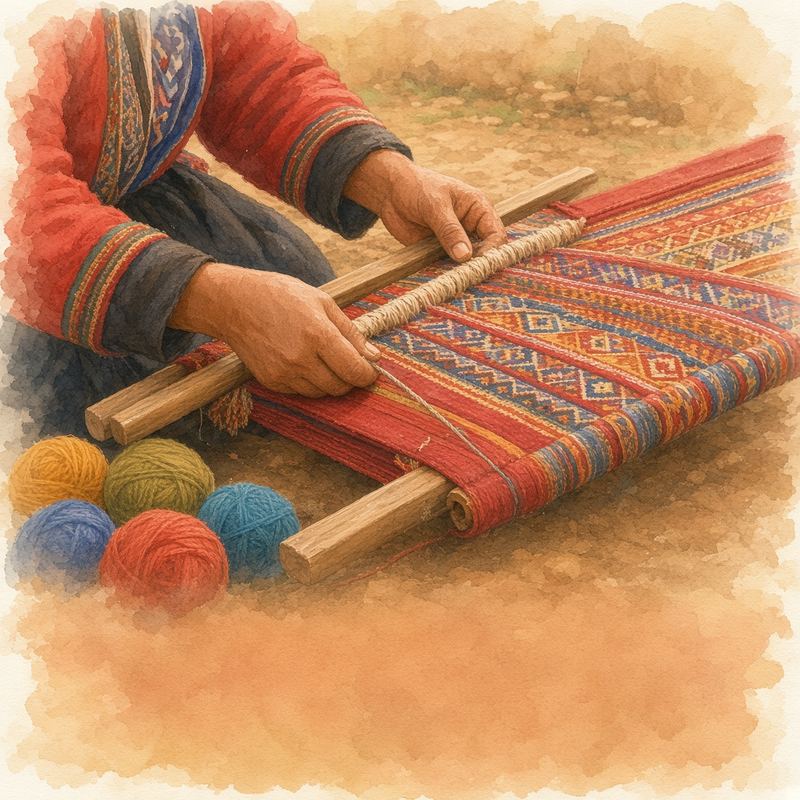
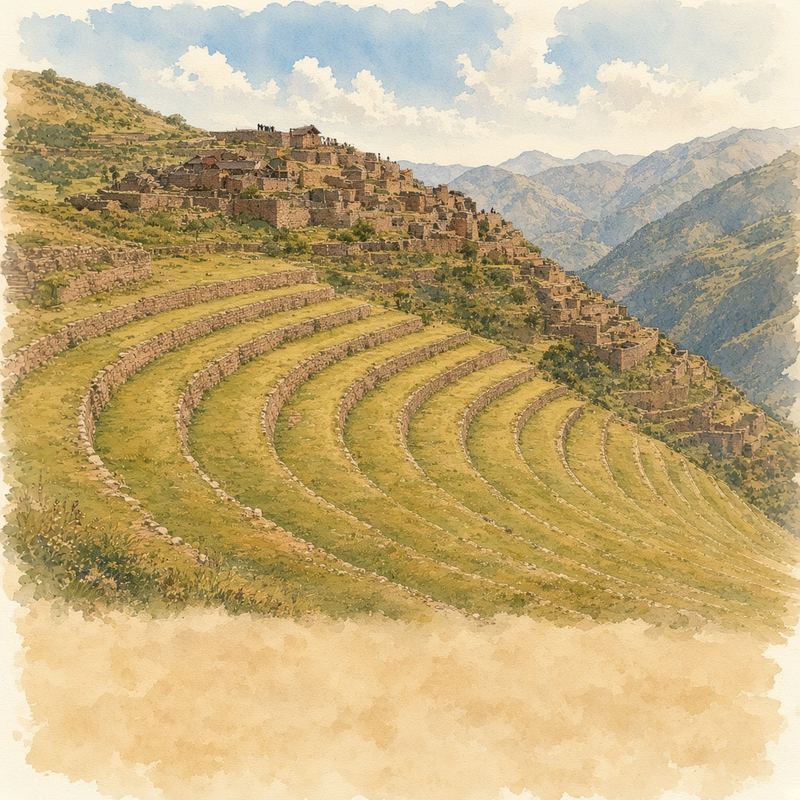
Around Cusco stretches the Sacred Valley of the Urubamba — Vilcanota in stretches of Quechua geography. Terraces like green staircases. Pisac ruins above a craft-and-produce market town. Ollantaytambo’s living Inca street grid and fortress. Weaving towns like Chinchero at about three thousand seven hundred sixty meters with backstrap looms, alpaca fiber, cochineal reds, and a colonial church painted inside on Inca walls. Above it all, apus — mountain lords. Salkantay to the west, and Ausangate to the east. Archaeology Magazine, drawing on Johan Reinhard’s research, describes how communities still address mountain gods for weather, crops, flocks, health, and prosperity. Those roads of the Qhapaq Ñan were not scenery. They were a working system that held the region together.

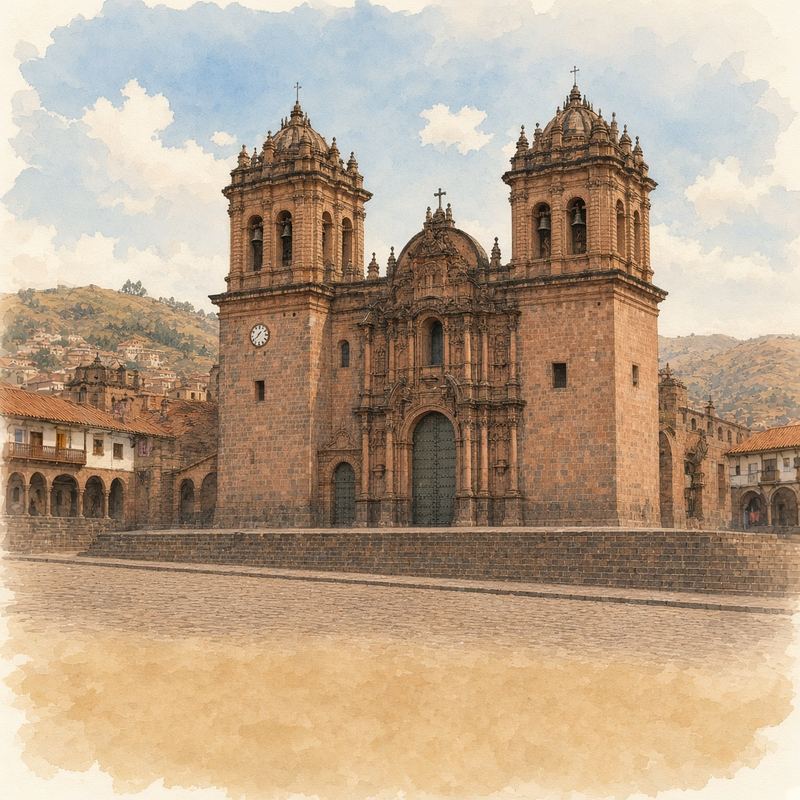
Qorikancha, the Inca sun temple later wrapped by a Dominican church, is worth a quiet hour in Cusco when the schedule allows — gold remembered in stone geometry even when the gold itself is gone. The cathedral on the Plaza de Armas holds Cusco School paintings — including the famous Last Supper with local food details travelers love to spot. San Blas climbs steep for workshops and viewpoints. Leave one unscheduled hour for wandering without a plan.

Arrival lands at the start of the Andean rainy season — roughly November through March. Mornings often open clearer; showers often arrive in the afternoons. Climate tables summarized by WhyGoToPeru put Cusco November highs near eighteen Celsius — about sixty-five Fahrenheit — nights near eight Celsius — mid-forties — with a real jump in rainfall versus October, on the order of one hundred forty millimeters for the month. The Sacred Valley around Urubamba runs a little warmer by day — often into the low seventies Fahrenheit — with cooler nights. Aguas Calientes sits lower and damper, with more rainfall — tables near twenty-one Celsius by day and heavier monthly totals. High camps offer sunny trail heat, then sharp cold when clouds arrive. Rainbow Mountain mornings can get close to freezing before the stripes show themselves. Cusco.tips rainy-season notes: expect afternoon showers more than all-day soaks, and plan layers accordingly.

Pack like the weather means it: layers, rain jacket, pack cover, sun hat, serious sunscreen and sunglasses — altitude ultraviolet is stronger than it usually feels in Steamboat Springs. Broken-in waterproof boots, and warm sleep layers for high camps. Light shirts for humid lower valleys, and gloves for the pass and Rainbow Mountain. Electronics in waterproof pouches, and spare batteries inside a jacket when it freezes. Small soles bills for markets — ATMs can run empty on busy Sundays. A zip bag for dusty or muddy days. A soft daypack that can hold a warm layer easily.

Photo etiquette travels with the packing list: ask before photographing people or llamas with owners — tips are often expected. Buying something can be a better thank-you than taking a photo. Never buy supposed archaeological objects, and if someone says no to a photo, respect that.

Transport will keep changing as the days unfold. Shared colectivos — vans packed with locals and bags — toward Mollepata. Arrieros with horses and mules at Soraypampa — horses and mules, not donkeys — hauling gear while boots do the rest. Later: rails near Hidroeléctrica, zigzag buses up the Hiram Bingham road, and PeruRail’s Expedition train with panoramic windows. The inexpensive local train is generally for Peruvians and residents; visitors usually ride tourist services. Every vehicle change brings a different pace — tip fairly, learn names, keep cash ready.

What follows is the itinerary itself — Salkantay’s shoulder, cloud forest green, Aguas Calientes beds, Machu Picchu stone, hot springs, Sunday markets and fiber, then Vinicunca’s mineral stripes. The Andes are better in person than they are in photos.

Buen viaje.

Nov 23

Salkantay Day 1 / Humantay

Overview

Transcript

Welcome back. November twenty-third opens under the Savage Mountain.

This day begins the Salkantay trek — five days and four nights toward Machu Picchu. Savage Mountain country, a turquoise lake if the group adds Humantay, quinoa steam in a camp bowl, and the first real conversation with thin air. This preview is meant to be heard before boots hit the trail, so the body can pack respect instead of surprise.

A typical day one runs Cusco through Mollepata for breakfast, on to Challacancha where pack animals and footpaths begin, then contours toward Soraypampa under big peaks. Many groups add turquoise Humantay Lake as a side climb. Operator summaries such as Salkantay Trekking and independent trek notes commonly describe roughly ten to thirteen kilometers of approach walking, plus a Humantay side trip that can add several kilometers round-trip. Humantay Lake sits around forty-two hundred meters — about thirteen thousand eight hundred feet, roughly seven thousand feet higher than Steamboat Springs at about sixty-seven hundred. Soraypampa camp near thirty-nine hundred meters — about twelve thousand eight hundred feet, around six thousand above Steamboat Springs. The air will feel thin. That is not failure. That is altitude asking for a slower step.

The drive out of Cusco often starts early in a colectivo or private van. Streets still sleepy. Bags in the back. A radio that may already be louder than conversation. The road drops and climbs toward Mollepata’s breakfast energy — bread, eggs, coffee, maybe avocado or fruit when luck is kind. Eat even if appetite is shy. Calories are the first kindness to lungs that will work harder by afternoon. Bathrooms along the way are not glamorous. Small soles bills help for snacks and tips. Patience helps more.

After Challacancha, boots take over — contour trails, dusty switchbacks, the first views of ice that make phones come out too soon. Put the phone away for one stretch and just listen: wind, animals, a guide’s joke in Spanish and Quechua, the clink of mule gear somewhere ahead. The trail personality is honest: not technical climbing, but steady effort that asks you to keep a steady pace.

The mountain watching the trail is an apu — a mountain lord — named Salkantay. In Quechua, sallqa points toward the wild, the untamed. Savage Mountain. About six thousand two hundred seventy-one meters in the Vilcabamba range west of Cusco — over twenty thousand five hundred feet. Range references call it the Vilcabamba highpoint and one of Peru’s most topographically prominent peaks. Prominence is a geography word for how much a mountain stands alone. Your body will understand it clearly by lunch.

Johan Reinhard’s research, summarized in Archaeology Magazine’s Mountain Gods feature, pairs Salkantay with Ausangate east of Cusco — brothers, fathers of other peaks, equally powerful. Ritual specialists still seek empowerment from one or the other. Reverence shows up in writing by fifteen eighty-three. Polo de Ondegardo listed it among principal apus. People left offerings then, and they still do. Reinhard’s wider Andean work describes mountain deities as protectors of people, crops, livestock, wildlife, and water — beings who can cure illness, foresee futures through specialists, and communicate through birds, especially the condor. This is not a mascot for a brochure. It is a living relationship between communities and high ice.

From Machu Picchu’s ridge, something remarkable happens in the sky on certain nights: the Southern Cross rises and sets on either side of Salkantay, and at its highest point sits directly above the peak. The Inca associated that alignment with rain and fertility. Salcantay is viewed as male; Veronica — also called Huaca Huillca or Waqaywillca, and sometimes China Salcantay — is described as its consort. Archaeology Magazine notes that ritual specialists say the two mountains speak to one another with thunder. Weather becomes conversation.

Local and scholarly writing also frames Salkantay as a protector apu for communities including Limatambo, Mollepata, Machu Picchu, and Choquequirao along older road corridors of Chinchaysuyo and Antisuyo. When the trail feels like it belongs to the mountain more than to the hikers, that feeling has a long pedigree.

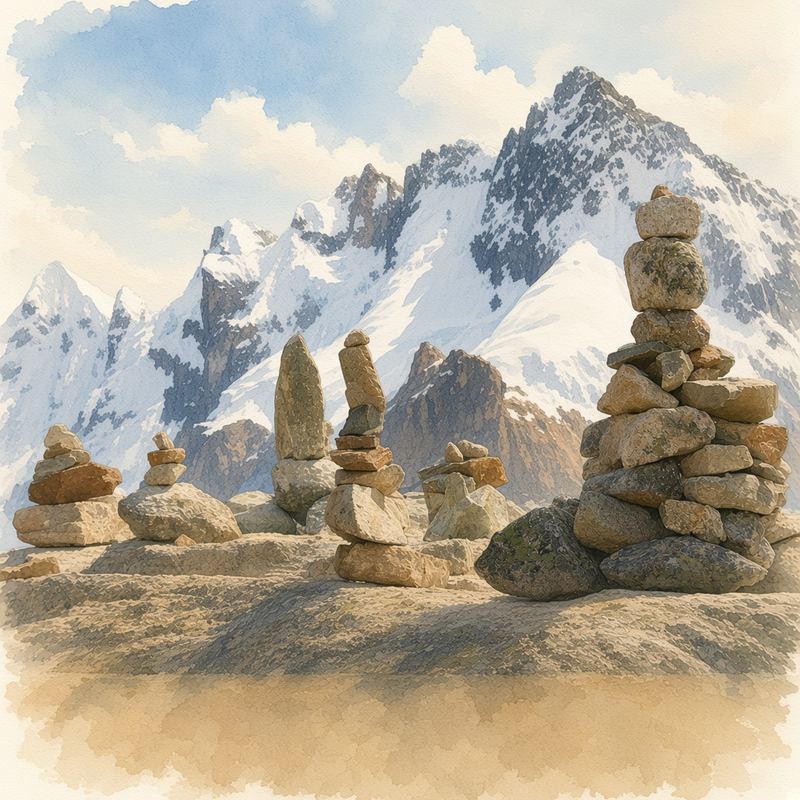
Spot apachetas — stacked trail stones — and maybe add a rock for safe travel. Colonial chroniclers described offerings of chewed coca, worn sandals, feathers, even metal figurines at such piles. Juan Santa Cruz Pachacuti wrote of stone heaps directed toward Salcantay. Father Cobo in the sixteen hundreds described coca, colored feathers, clothing, and stones offered so travelers could pass with strength. José de Acosta’s sixteenth-century notes, cited in later Andean scholarship, describe travelers leaving old footwear, chewed coca, or at least a stone at high points and crossroads. Add a stone if that feels right. Do not dismantle someone else’s respect pile for a photo. Do not leave plastic as a fake offering.

The Incas did not pave a highway over this pass to conquer the mountain. They worshipped it, and the modern trek skirts its shoulder — higher and quieter than the permit-limited classic Inca Trail. Along the way you move near fragments of the Qhapaq Ñan — the Royal Road — UNESCO-inscribed in twenty fourteen — a nervous system of arteries that once radiated from Cusco across more than thirty thousand kilometers of empire. The boots are rental or broken-in Gore-Tex. The mountain is not.

November weather is early rainy season. Day warmth can near seventy Fahrenheit in sun at Soraypampa; nights can drop near freezing. Salkantay Trekking weather guides describe that swing clearly — sun that makes a T-shirt feel right at noon, then wind that demands a jacket by dusk. Mornings often open clearer; showers often arrive in the afternoons. Rain jacket on top of the daypack, warm layer for evening, sun hat even under soft cloud, gloves for the next day’s pass, lip balm, broken-in waterproof boots. Altitude ultraviolet is stronger than it usually feels in Steamboat Springs. Spare battery inside a jacket — cold drains phones fast. Zip bags for rain and dust, and a small stash of soles for horse rentals and tip envelopes. Pack light enough that the mule load stays fair, and personal enough that the daypack still holds water, snacks, layers, and whatever else keeps the day comfortable.

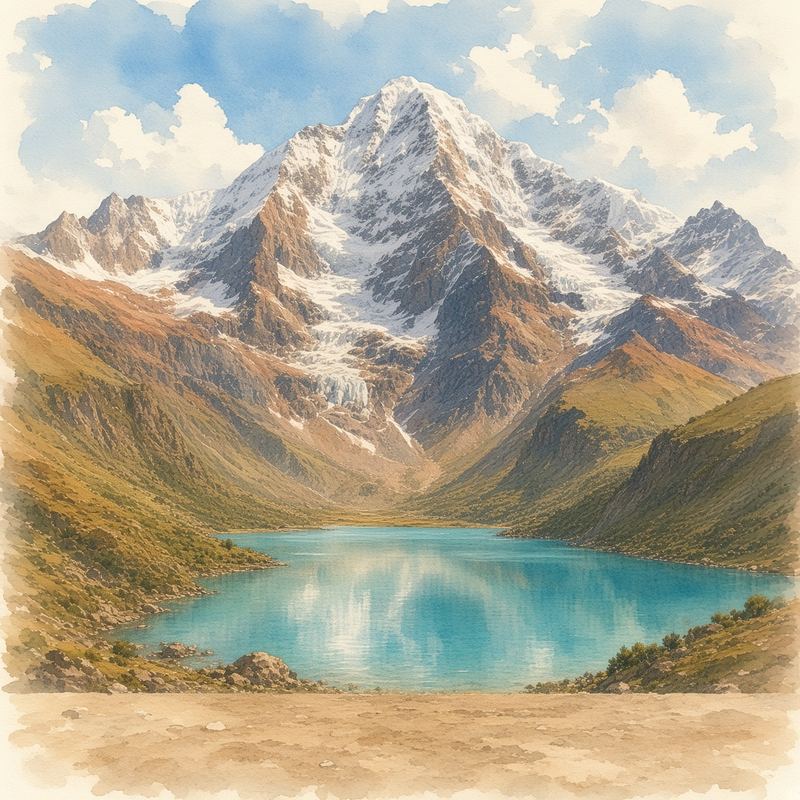
For photos, get low at Humantay so turquoise fills the frame. Include a person for scale if they consent. Ask before photographing people or animals with owners — tips are often expected. The best lake frame is often the one taken after sitting still long enough for the wind to calm the surface. Leave no snack wrappers. The apu does not need a plastic shrine.

Before dawn, muleteers and cooks are already moving. Learn names. Tip well. When someone offers a hand on a steep step, that is Andean trail culture, not a footnote. Guides carry first-aid knowledge and radio habits; cooks turn camp kitchens into impressive meals; arrieros — muleteers — manage animals that make a light daypack possible. Introduce yourselves. A name learned on day one changes the whole week’s tone.

At Soraypampa the cast includes horses and mules — not donkeys. Arrieros may rent horses for the Humantay Lake climb, often around eighty soles one way, cash — confirm locally. Many groups also keep an emergency horse available later toward Salkantay Pass. Mules typically haul about five to seven kilograms of each hiker’s personal gear in communal duffels. Spot a mule train grinding uphill and tip respect to the people who load and unload in cold hands. If a horse is offered and pride says no, check the body’s vote first. Pride is a poor reason to skip help.

Camp supper is highland comfort: soups — often quinoa — rice, potatoes, pasta, tea. Quinoa soup tastes especially good after the Humantay climb. Follow a doctor’s advice on coca tea and altitude medicines. Calories matter on this day. Breakfast may be pancakes, bread, eggs, fruit, coffee. Lunch on the trail is often a packed box or a hot stop depending on the outfitter. Drink water even when you are not thirsty. At night, silence can feel very loud under those peaks — wind, tent fabric, a distant animal bell, the mountain feeling closer than the map suggested.

If Humantay is on the plan, expect a steep push — lungs loud, legs honest — then a lake that looks unreal. Glacial flour turns water turquoise, and offerings sometimes appear at the shore. Sit longer than the photo requires. The lake earns a quiet minute.

Evening at Soraypampa is wind against nylon, a cook’s ladle against a pot, laughter in two or three languages, and a sky that can go from soft pink to hard cold in the time it takes to find a headlamp. Put tomorrow’s layers at the foot of the sleeping bag before sleep. November nights do not wait for decision-making. Guides often brief the next day’s start time at dinner. Set two alarms. High-pass days punish snooze buttons.

On November twenty-third the trek does not ask for heroics. It asks for respect, water, and the willingness to arrive at camp still curious. Sleep when it arrives. Tomorrow’s pass will ask a lot of your lungs.

Nov 24

Salkantay Pass

Overview

Transcript

Welcome back. Today is the high pass day — the climb from Soraypampa toward Salkantay Pass, then the long drop toward greener camps.

Eat a real breakfast even if nerves shrink appetite. Pass days run on calories prepared before dawn. This preview is meant to be heard before boots hit frost, so the body can pack respect instead of surprise.

A typical pattern leaves Soraypampa in the dark or soft dawn. Headlamps make a dotted line of people on the first switchbacks. Breath gets audible. Conversation shrinks to short check-ins. That quiet is physiology doing its job, not a mood problem.

Picture the first hour carefully. The ground may feel crunchy with frost. Steam rises from every mouth. The mountain wall ahead still looks dark, then slowly takes on a cold blue. Ice can glitter on Salkantay’s face while the trail is still a narrow ribbon. Operators often call this climb the path of the seven snakes for the way the switchbacks stack. The name is less important than the rhythm: short steps, steady breathing, and pauses that feel earned rather than dramatic.

The trail climbs toward Salkantay Pass near four thousand six hundred thirty meters — about fifteen thousand two hundred feet. That sits on the order of eight thousand five hundred feet higher than Steamboat Springs at about sixty-seven hundred. Full-day distances often land in the low twenties of kilometers, then continue toward Huayracmachay and down to Chaullay or Collpapampa depending on the outfitter’s camp map. The number that matters most is vertical, not just distance. From Soraypampa near three thousand nine hundred meters, the climb to the crest is commonly described as about seven kilometers and roughly three hours of honest work before the long descent begins.

Guides often suggest a slow, steady rhythm — a step you can repeat without drama. If the group’s fast talkers go quiet, match that honesty. Save longer jokes for the descent, when oxygen returns with interest.

November sits in early rainy season. Warm effort on the climb can meet a sharp chill at the top. Weather at the crest can swing from bright sun to hail-minded cloud in minutes. Layer before pride argues. Gloves and hat belong on before the photo queue. Keep the rain shell where a cold hand can find it. Hold snacks within reach. Keep a spare battery warm against your body. Altitude ultraviolet is stronger than Steamboat habits expect, even under thin cloud. Waterproof boots with grip matter on muddy or icy steps later in the day.

Salkantay is an apu — a mountain lord. In Quechua, sallqa points toward the wild. Archaeology Magazine, drawing on Johan Reinhard’s research, pairs Salkantay with Ausangate east of Cusco as brother peaks and fathers of other mountains. Ritual specialists still seek empowerment from one or the other. Reverence for Salcantay appears in writing by fifteen eighty-three. Crossing an apu’s shoulder is not conquest language in Andean tradition. It is a relationship with weather, water, and high land.

From certain viewpoints near Machu Picchu, the Southern Cross can sit above Salkantay — a sky-and-stone link with rain and fertility in older understanding. Veronica is described as consort. Thunder is how the pair is said to speak. Whether you hear that as poetry or meteorology, follow the guide if lightning threatens. November afternoons can invent storms without asking permission.

Apachetas — stacked trail stones — appear again near high points. Colonial writers described offerings of chewed coca, worn sandals, feathers, and stones so travelers could pass with strength. Add a stone if that feels right. Never tear one down for a photo. Soft offerings matter more than perfect frames.

Look for what the crest wants you to notice: the glacier wall catching light, prayer flags if they are present, cairns against wind, and the sudden sense that every direction falls away. Wind finds every unzipped cuff. Fingers that fumble a zipper at fifteen thousand feet are fingers that needed a layer five minutes earlier.

If a condor appears, stop talking for a few seconds and watch how little effort the bird seems to spend. In Andean tradition recorded in Reinhard’s work, birds — especially condors — can be messengers between people and mountain deities. Humans are not built for fifteen-thousand-foot casual strolls. Take the break the bird is modeling.

Then put the camera down for a few hundred steps. Turn back once for the mountain’s full shoulder if you want one picture. After that, walk and breathe. The crest will still be there whether or not every angle is captured. Some hikers feel euphoric at the top. Some feel nauseated. Both can be true in the same hour. Celebrate the descent as part of the achievement, not as an afterthought.

UNESCO’s Qhapaq Ñan listing describes more than thirty thousand kilometers of Andean roads linking high peaks to coast, valleys, and forest edges — a state project radiating from Cusco. The Smithsonian’s Great Inka Road materials describe chaskis, the relay messengers, covering ten to fifteen kilometers between stations, carrying memorized messages and khipu records, and sounding a shell trumpet as the next runner prepared. About twenty-five runners could cover roughly two hundred forty kilometers in a day. Quito to Cusco could take about a week.

Today’s hikers are not chaskis. The useful habit remains: pause at high points, breathe, and show respect. Modern care looks like guides with radios, cooks who fed you before dawn, and arrieros — muleteers — managing horses and mules that make a light daypack possible. Learn names. Tip fairly. Stay clear on narrow edges when animals pass.

Horse rentals toward the pass are sometimes quoted around fifty soles shared or about one hundred private, cash, with fair negotiation. Many operators already bring an emergency horse for the high point. Confirm what is included. Using that support is intelligence, not failure. Steamboat Springs elevation trains lungs for mountain towns. It does not automatically train them for Salkantay Pass. Skip any comparison contest inside the group. The only race is getting everyone to camp in one piece.

If dizziness, headache, or nausea rises, say it early. Guides would rather turn someone around than invent a rescue later. There is no prize for suffering quietly.

A practical pack tip for this day: leave the shopping bag alone, even in spirit. Do not haul extra weight up to the pass because something felt useful at camp. Keep the daypack light — water, layers, snacks, rain shell, and what the guide asked for. Everything else can wait in the mule load or at camp. Heavy extras make thin air harder than it needs to be.

Pass-day eating is camp strategy, not restaurant browsing. Salkantay.tours and operator food guides describe a clear pattern: cash in soles, small bills, and meal times that follow the trail rather than city hours.

Breakfast at Soraypampa is usually the cook’s early work — porridge or oatmeal, bread, eggs, fruit, coffee or tea, sometimes pancakes. On pass morning the meal is deliberately larger because the next real sit-down meal sits on the far side of four thousand six hundred thirty meters. Thank the cook out loud. Those calories are the climb’s first kindness. Quinoa soup appears often at high camps because it is warm, easy to digest when appetite fades, and filling without drama.

On the trail itself, options are thin. In high season a few rest stops may sell drinks or cookies, but you cannot count on them — especially in November, when fewer stalls open every day. Leave Soraypampa with snacks for the whole climb and the first hours of descent. Nuts, chocolate, and bars that hold up in a warm pack work well. Eat before irritation turns into altitude panic. Drink on a timer even when cold tricks thirst away. Follow a doctor’s advice on coca tea and any altitude medicine. Do not improvise new drugs on the ridge.

After the crest, prepared lunch begins to appear again on the descent, often around Huayracmachay. Soup first is not a formality at altitude. It is a reliable way to get salt and fluid into people who have stopped feeling thirsty. Camp dinner later at Chaullay or Collpapampa leans on soups, carbohydrates, tea, and a main with rice or potatoes. Caldo de gallina — restorative chicken soup — is popular with hikers and locals once the air thickens. Full set menus at route eateries are often quoted around ten to twenty soles when you are traveling more independently. Operator camps include meals; tip the crew who made that possible. Carry cash. There are no ATMs on the pass.

There are no named cafés at fifteen thousand feet. The “where to eat” tip for this day is simple and sourced in trek practice: eat what the camp kitchen prepares, carry your own backup snacks, tell the dining tent early if dinner needs to be ordered separately, and treat the crew meal as the main restaurant of the mountain.

After the crest, the trail releases elevation like a held breath. Knees take the bill that lungs paid on the way up. Shorten trekking poles for downhill if they allow it. Keep snacks going even when the hard part feels finished. Descents create their own fatigue.

Watch for what the lower world looks like: more green, louder water, warmer air, insects, and the first sense that the cloud forest is waiting on later days. Chaullay and Collpapampa sit lower — often near twenty-seven hundred to twenty-nine hundred meters depending on the exact camp. Compared with Steamboat Springs, these camps are still high. After fifteen thousand feet, though, the body feels grateful for thicker air. Walk into camp instead of sprinting. Tomorrow’s stretch will feel kinder if recovery starts tonight.

Weather literacy matters all afternoon. Early rainy season can deliver sunburn and hail in the same hour. Metal poles and open ridges are a poor mix in active lightning — follow guide instructions without debate. After a storm, apachetas may glisten. That gleam is a reminder that weather and respect have long shared this pass.

Stretch calves. Check feet for hot spots before they become blisters. Dry socks make a real difference overnight. If a notebook came along, write one sentence about a moment that was beautiful without being easy. Sleep when it arrives. The forest deepens on the next stretch of itinerary.

On November twenty-fourth, the story is simple and demanding: go up with care, come down with gratitude, and let the Savage Mountain keep its name. If you added a stone to an apacheta, leave it there. The mountain does not need a performance.

Nov 25

Cloud forest / Lucmabamba

Overview

Transcript

Welcome back. The air gets kinder on November twenty-fifth as the trail tips into cloud forest green.

November twenty-fifth softens — relatively. On this stretch rock and ice give way to passion fruit vines, avocado trees, and wet-leaf smell after a shower. The lungs that fought at the pass get a thank-you note written in thicker air. This preview is meant to be heard before the green day begins, so the body can expect mud, fruit, and a quieter kind of effort.

A typical day three moves Chaullay through Collpapampa toward La Playa and Lucmabamba. Distances often land around sixteen to eighteen kilometers depending on camp choices. The belt is often called ceja de selva — eyebrow of the jungle — where Andes lean into Amazon influence. Birdsong thickens. Butterflies appear. Jackets may feel like too much by midday. Daytime air can climb toward the upper seventies Fahrenheit in sun, humid and shower-prone in November. Compared with Steamboat Springs at about sixty-seven hundred feet, these lower camps still sit high — often near two thousand to twenty-four hundred meters — but the body feels the gift after the pass.

Picture the trail carefully. The path narrows between wet leaves. Water runs somewhere always nearby. The color green stops being a single word and becomes many greens at once — dark under the canopy, bright where a break lets sun through, almost blue where mist hangs. The emotional plot of the day is contrast. The pass day was rock, wind, and thin-air math. The cloud-forest stretch is green with room to breathe. Let the nervous system notice the change. That noticing is part of why people trek instead of only riding buses to viewpoints.

Keep your rain jacket on top of the pack, lighter shirt underneath, quick-dry socks, a dry bag for electronics. Boots will get muddy, and that is part of the day. Keep a spare battery in a pocket near your body when mornings are cool. Insect awareness rises — not extreme Amazon levels, but enough for sleeves at dusk and common-sense repellent habits. Keep the rain cover ready even under blue sky. November showers can show up when you least expect them.

Park materials for the Machu Picchu Historic Sanctuary talk hundreds of bird species and more than two hundred orchid kinds in the wider cloud forest. Spot one bright bloom and give it a quiet look. Listen for rushing water that never quite leaves the soundtrack. This is the Andes remembering they also feed the Amazon — sanctuary green, not only sanctuary stone. Without needing a field guide, count how many different bird calls show up in five quiet minutes. That count is a souvenir science cannot confiscate.

Coffee country begins to whisper here. Some Lucmabamba stays sit among small farms. A cup tasted at the source tastes different from a city café — earthier, closer to the plant’s argument. If a family offers a tasting, tip fairly and ask questions about roasting and harvest. Ask how many months the cherries took. Coffee on the trail is not a latte art contest. It is agriculture with a view. Bargaining hard over a farm cup is not fair. Pay for the cup like it matters — because small-farm hospitality is not a free sample aisle.

Passion fruit vines, avocado trees, and coffee plots appear as the trail drops. Ask before picking anything. Farms are livelihoods, not buffet décor. If a family sells fruit by the path, buying a few pieces is cleaner gratitude than a stolen snack photo. Small soles become a clean thank-you.

Transport personality today is still boots and mules, with road noise growing near La Playa. Smile at locals sharing the path. A buenos días costs nothing and builds goodwill. Share the trail with animals — step aside, do not startle, do not treat mules like photo props without the arriero’s okay. Morning starts may still use mules for duffels while hikers walk. Stay clear when animals pass on narrow edges. A mule train has right-of-way energy even when no one posts a sign.

Near La Playa, road noise returns — scooters, trucks, the reminder that Peru’s mountain logistics never fully leave modernity behind. That mix is the real Andes, not a preserved display. Greet people at trail-road junctions. Buy a cold drink from a small shop if one appears, with small bills ready.

Get low for streams and waterfalls. Protect lenses from mist. Ask before photographing people working fields or animals with owners. Fog can be a gift — it turns green into mystery instead of postcard flatness. A wet leaf close-up can matter more than a distant peak when the clouds refuse to clear. Humidity fogs lenses from the inside of a pack as easily as from rain. A microfiber cloth lives in a zip pocket, not at the bottom of the bag.

Camp meals keep the carb-and-soup rhythm: quinoa, rice, potatoes, pasta, vegetables, tea. Fruit may appear more often as elevation drops — bananas, passion fruit, avocados when the kitchen can source them. Celebrate a cold drink if it appears, then still drink water. Sugar is not hydration. If a cook presents something sweet after the hard pass day, clap. Camp cooking is theater, and applause is a tip that costs nothing.

Notice the meals as the day goes. Breakfast carbs before boots. Trail snacks that survive humidity. Lunch flavors shifting toward fruit. Dinner soup that feels restorative. If passion fruit appears, let it. If avocado toast never appears, that is fine — camp kitchens have their own style. Thank the cooks. Leave a tip for the crew as the green days accumulate toward town. The cloud forest rewards attention more than speed.

Afternoon rest matters. Feet out of boots. Blisters addressed with moleskin honesty. Wet socks hung if the weather allows. The social hour at camp — cards, jokes, quiet staring at green — is part of the medicine. The green dark after dusk can feel absolute. Stars may punch through between showers. Listen for frogs and insects writing their own soundtrack. Phone signal may vanish. That vanishing is a feature.

Compared with home elevation in Steamboat Springs, the body is still working at altitude — just less dramatically than at the pass. Do not interpret easier breathing as a license to skip water or sleep.

November is early rainy season, and waterproofing matters. Gaiters help some hikers; others swear by quick-dry pants. When a shower arrives, the smell of wet leaves can feel like a gift. When the shower overstays, that same smell asks for patience. Mud on the hem is proof of season, not poor planning. Pack the rain shell where a wet hand can grab it when the cloud decides to become weather again.

Mud teaches packing lessons: spare socks in a dry bag, rain jacket accessible without unpacking the whole daypack, phone in a zipper pouch. A ruined phone charger is a small tragedy only if there was no backup plan. Shoes dry slower here than at Soraypampa. Stuff them with dry paper or a spare shirt overnight if needed. Blisters hate wet friction more than they hate distance. Pack spare socks like treasure. Dry feet are morale.

UNESCO’s Historic Sanctuary framing matters on a cloud-forest day. Machu Picchu is not only walls. It is orchid counts, bird lists, watershed logic, and a belt of green that teaches the approach. When park materials mention hundreds of bird species and more than two hundred orchid kinds, they are describing a living museum that does not fit on a ticket stub.

The phrase ceja de selva — eyebrow of the jungle — is geography poetry that earns its keep. Eyebrows protect eyes; this forest belt protects and previews the Amazon lean of the eastern slopes. Lucmabamba coffee tastings, when offered, are a chance to taste process — cherry to cup — without a city barista’s theater.

Tomorrow’s itinerary typically pushes toward Llactapata views of Machu Picchu from afar, then Hidroeléctrica, and the final corridor into Aguas Calientes. Tonight is the last deep-camp quiet before town lights. Enjoy the unplugged version of the Andes while it lasts. Do not mentally skip ahead so hard that the cloud forest becomes a hallway. Sit with the green dark. Listen. The sanctuary begins before the famous postcard.

Map the feeling. Steamboat Springs near sixty-seven hundred feet. Cloud-forest camps often near two thousand to twenty-four hundred meters — still high, yet generous after the pass. Generosity is not a license to skip water. Evening packing for tomorrow’s Llactapata push includes a dry shirt, rain shell, and the mental note that the first distant Machu Picchu view may arrive through mist. Mist is not failure. Mist is sanctuary weather doing sanctuary weather.

On November twenty-fifth, let the cloud forest be the teacher: slower light, wetter trails, kinder air, and the reminder that Machu Picchu’s sanctuary is not only stone — it is also this living green approach.

Nov 26

Aguas Calientes

Overview

Transcript

Welcome back. November twenty-sixth aims the boots toward rails, hydroelectric noise, and a town built on trains and thermal water.

On this day a typical Salkantay itinerary leaves Lucmabamba, climbs toward Llactapata for a first distant look at Machu Picchu, then drops to Hidroeléctrica and continues along the railway corridor into Aguas Calientes — also called Machupicchu Pueblo. This is the day the wilderness handshake turns into a town handshake. This preview is meant to be heard before the corridor walk begins, so tickets, cash, and patience are packed where a wet hand can find them.

Llactapata sits on a ridge with views toward the Machu Picchu massif — a quieter preview before the ticketed circuits. If clouds hide the famous silhouette, still take in the terraces and the sense of approaching a sanctuary rather than a theme park. Distances for the full day often land roughly eighteen to twenty-five kilometers depending on how the outfitter connects Llactapata, Hidroeléctrica, and the final walk or train segment. Elevations drop toward roughly eighteen hundred meters at Hidroeléctrica and about two thousand forty meters in Aguas Calientes — still higher than Steamboat Springs at about sixty-seven hundred feet, but a different climate story: warmer, damper, more likely to rain in late November.

Llactapata’s distant view of the Machu Picchu massif is a kindness when clouds cooperate — and a lesson in patience when they do not. The Inca sites along this approach remind travelers that Old Peak was networked, not solitary. Take the ridge walk as a chance to breathe thicker air and practice awe without the full tourist theater yet. If the silhouette hides, photograph terraces, orchids, and the faces of people who walked this far. The postcard can wait one more sleep.

Hidroeléctrica is a working hydroelectric area and a trailhead logistics node — not a spa stop. Expect concrete, cables, vendors, and the sudden appearance of train tracks. From here many groups walk the railside path toward Aguas Calientes. Stay alert. Trains have right of way. Keep to safe margins. This walk can feel anticlimactic after mountain days and still somehow perfect — a cool-down lap with jungle walls and river sound.

The corridor from Hidroeléctrica toward Aguas Calientes mixes pilgrimage energy with industrial fact. Hydroelectric infrastructure is why the place has that name flavor — power and river forced into human plans. Walk the railside path with head on a swivel. Trains win every argument. Keep close even when cameras come out. Vendors appear with water and snacks at tourist prices; buy if needed without performing outrage. Geography taxes convenience.

For a humid corridor, pack rain jacket ready, lighter shirt, sandals in the duffel for evening if boots are soaked, small soles for snacks and baths later, zip bags for phone and tickets. Tickets, travel documents for hotel check-in, and train vouchers live in one waterproof pouch, not scattered across pockets.

Aguas Calientes exists because of the railroad and the hot springs — not because it was an ancient capital. That honesty helps. The town is loud with tourism, bridge crossings, craft stalls, and the Vilcanota-Urubamba’s rush. Japanese-Peruvian history enters through Yokichi — often also called Óscar — Nouchi, a railroad-linked figure remembered as an early local authority and mayor who helped shape settlement life around thermal waters. Discover Nikkei and Peruvian press profiles trace that story as immigrant labor meeting Andean geography. Take a beat for that chapter before treating the town as only a staging hotel.

The thermal baths — Baños Termales — sit up Avenida Hermanos Ayar. MINCETUR tourism inventory notes mineral and volcanic waters with pool temperatures that vary by basin. Hours commonly run from early morning into evening; session limits may apply — check the posted board. Bring a swimsuit, a towel or rent one, flip-flops, and small bills. Rinse mud off trek legs with respect for shared water. November damp makes the steam feel earned.

Hotel for the plan includes Alpaca Terra as a triple for the group night — confirm check-in details with the booking. A real bed after camp is a real relief. Shower, laundry if offered, and an early night if tomorrow is Machu Picchu Mountain.

Town food is tourist-priced compared with Cusco markets — that is geography and monopoly energy, not a moral failing of any one waiter. Scan menus before sitting. Trout appears often — local river energy on a plate. Pizza and burgers appear too because hikers crave familiarity. Peruvian plates still show up: lomo saltado, quinoa soups, avocado salads, vegetable stir-fries for the plant-leaning, and the occasional ceviche with highland caution — order seafood where turnover looks honest and stomachs feel ready.

Travel roundups often mention places like El Indio Feliz for a warmer sit-down vibe, Tree House for a vertical wooden charm, La Boulangerie de Paris for bread and pastry comfort, Café Inkaterra for a quieter cup, and Mapacho for craft-beer energy when a celebration beer fits the table. Hours and quality shift; verify locally. The artisan market near the center mixes genuine crafts with factory-line souvenirs at higher prices than Sacred Valley source towns. If the big textile buy can wait for Sunday in Pisac or Chinchero, waiting often saves money. If something small calls now — a magnet, a chullo for warmth — use the alpaca feel test: real fiber is soft and slightly cool, not plasticky shiny.

Street snack energy exists in small form — empanadas, gelato after heat, bottled water at tourist markups. Keep cash for baths and tips; ATMs can be moody. Order trout if river fish appeals. Quinoa soup still comforts even in town. Share desserts if energy allows. Drink water beside any celebration beverage. Tourist prices sting less when tipped into the story as the cost of a town that exists between canyon walls with nowhere to expand. That geography is the markup’s parent.

Nightlife here is mostly early. People sleep because Machu Picchu mornings start before pride wants. A quiet drink, a soak, a bridge walk watching the river — that is the evening menu. Loud clubs are not the town’s main argument.

For photos, capture the town’s verticality — buildings stacked against green walls — and the river’s white noise made visible as blur if a long exposure is possible from a safe railing. Ask before photographing vendors. Mist makes street lamps romantic and sidewalks slippery. Walk like boots still remember mud.

Compared with Steamboat Springs, Aguas Calientes near two thousand forty meters is lower than Cusco but still a mountain town with humidity Steamboat’s dry cold does not rehearse. Hydrate anyway. Humid is not the same as hydrated. Pack the rain shell for evening bridge walks. Keep a dry bag for electronics near the baths’ spray zone. Sandals for wet sidewalks save hotel carpets and moods.

If November twenty-sixth is where trek staff peel away, say thank you by name. Tip fairly. Duffels change hands. Photos with the crew are earned only with consent. Hotel check-in needs documents ready in a dry pouch. Laundry bags fill with muddy clothes from the trail. Eat enough. Sleep enough. Tomorrow’s Old Peak day begins before night fully finishes. Set two alarms. Put the bus tickets where dawn fingers can find them without panic. Charge batteries before bed — citadel day eats power. Keep a paper backup of confirmation numbers when phones fog in humidity.

Walk one loop of the artisan stalls without buying — just practice for Sunday. Notice acrylic shine versus cool alpaca hand-feel. Then go soak. Mineral water after railside walking is a welcome relief for tired legs. Time the soak so dinner still happens with eyes open.

Food culture here is hybrid — trout and quinoa beside pizza and pastry. That hybrid is honest about who sleeps in the hotels. Verify restaurant hours locally. Save the big fiber decision if tomorrow’s mountain day needs a clear head. Celebrate with a good meal. Tip the trek crew if parting. Lay out tomorrow’s clothes the night before.

Photograph the vertical stack of buildings against green cliffs at dusk when lights warm the mist. Ask vendors before close portraits. The train arrival — if the day includes rails — is a theater of suitcases and reunions; keep belongings close. If the day is boots-from-hidro only, the railside walk still deserves the same baggage attention. Tip porters if they appear for hotel bags. Learn the hotel desk person’s name. Town nights are short on purpose.

Remembering Yokichi Nouchi keeps Aguas Calientes from collapsing into a generic basecamp stereotype. The baths on Avenida Hermanos Ayar are mineral and volcanic water shared among strangers. Rinse. Time the soak. Watch the clock if session limits are posted. Leave the pools as clean as you found them. November humidity makes the steam feel especially welcome.

On November twenty-sixth, arrive kindly. Tip the trek crew if this is the parting moment. Names matter at goodbye as much as at hello. Eat something satisfying. Lay out tomorrow’s layers. The Old Peak waits above the buses and the clouds.

Nov 27

Machu Picchu

Overview

Transcript

Welcome back. Today is Machu Picchu day — Old Peak in mist and stone, a mountain climb if the ticket allows, and a train ride home through the canyon.

The plan centers on Route 1-A style access with Machu Picchu Mountain on the ticket, a circuit path that may follow a 3-B pattern depending on the exact permit, and PeruRail’s Expedition train later. Park rules and circuit letters can change, so carry the voucher and follow the guide’s current map rather than an old blog post. This preview is meant to be heard the night before, so tickets, water, and patience are ready before the bus line forms.

Dawn in Aguas Calientes means an early line for the buses that climb the Hiram Bingham switchbacks. Voices stay quiet. Rain jackets rustle. Tickets are checked.

The road zigzags up through green walls. The drop beside the bus can make stomachs flutter, so hold the rail and take the turns as they come.

At about two thousand four hundred thirty meters — roughly eight thousand feet — the citadel sits on a ridge still above Steamboat Springs at about sixty-seven hundred feet.

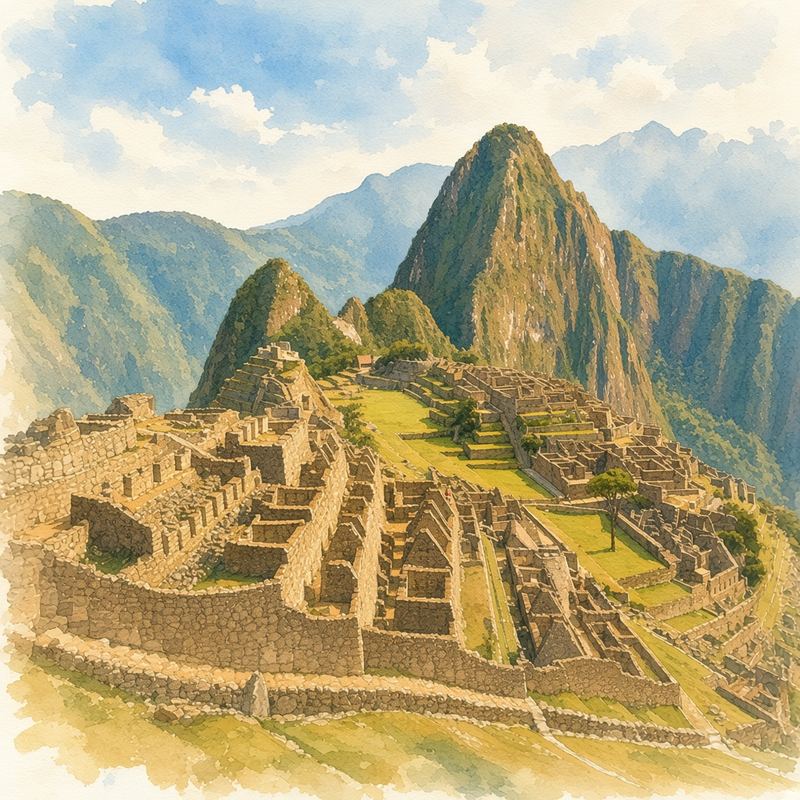
Huayna Picchu, the Young Peak, rises nearby. The name Machu Picchu means Old Peak. That framing helps: this is a mountain place first, and a famous photograph second.

UNESCO has protected the Historic Sanctuary of Machu Picchu since nineteen eighty-three. The listing covers more than the stone alone. It also covers the cloud forest that wraps the ridge. That matters for travelers because the paths, the mist, and the forest edge are part of what you came to feel — not only the walls.

Picture the first minutes inside carefully. Mist may hide Huayna Picchu for a while. Terraces step down into green. Stone channels still carry water when the system is working. Guides point. Cameras rise. Then, if you let them, the cameras can wait while the place settles into your eyes. The postcard will still be there. The quiet minute may not.

Traditional chronicles link the site to a royal estate in the era of Pachacuti.

National Geographic reporting has described a resident population on the order of hundreds — often cited around five hundred to seven hundred fifty — with terraces supporting food on the ridge. This was lived space: houses, temples, water channels, and farming engineering, not an empty stage set.

Recent radiocarbon work, including AMS dating of human remains covered by Yale News and Smithsonian Magazine, suggests occupation beginning around fourteen twenty — roughly twenty years earlier than some timelines tied only to mid-century chronicle dates.

Science refining the story does not shrink the wonder. It sharpens it. For a visitor, that means you are walking through a place that was a working community, with food, water, ritual, and residence sharing one ridge.

Stay on the marked paths. The photo is never more important than the terrace edge.

Here is a story most people only hear in outline.

Hiram Bingham’s book Inca Land, Chapter Seventeen, places the scene at Mandor Pampa in July nineteen eleven. Melchor Arteaga, who farmed nearby, had spoken of ruins at Machu Picchu.

On the morning of July twenty-fourth, a cold drizzle made Arteaga want to stay in his hut. Bingham offered to pay him well. Arteaga still hesitated — too hard a climb for such a wet day.

When Bingham offered a sol — about three or four times the ordinary daily wage nearby — Arteaga agreed.

History turned on rain, reluctance, and fairer pay. That detail matters for travelers today too: fair pay changes what people are willing to show and share.

Accompanied by Sergeant Carrasco, Bingham left camp around ten. They crossed a vine-lashed log bridge over roaring rapids. Bingham wrote that he crawled on hands and knees.

Then came more than an hour of steep slope, heat, humidity, rough ladders, and slippery grass. This was not today’s bus road.

They reached a hut where farmers Richarte and Alvarez offered water and cooked sweet potatoes — cumara. The farmers had cleared terraces for maize and potatoes and lived for months at a time in that high nest of a place.

Arteaga stayed to talk. A small boy guided Bingham farther on.

Around a promontory, the stonework improved: long terraces, granite houses under forest, a cave lined with fine cut stone, and a semicircular temple Bingham compared with the finest work of Cusco’s Temple of the Sun.

The Temple of the Three Windows astonished him. He wrote that it did not take an expert to realize these were extraordinary ruins.

Local people already knew the place. Lizarraga left a scrawl in nineteen oh two. Charles Wiener had heard rumors in the eighteen seventies but failed to reach the ridge.

Bingham’s role was bringing global attention, maps, and excavation — not being the first human eyes. Keep Melchor Arteaga, Richarte, and Alvarez in the story when you tell it.

Circuit walking asks for patience. Flows are often one-way. Guides set the pace for a reason.

If the circuit allows a Guardhouse view, pause there and watch mist move across the terraces. Ask before photographing other visitors closely. Drones are not appropriate here.

Machu Picchu Mountain is a real climb with fatigue and exposure — not a casual overlook stroll. Confirm that this mountain, not Huayna Picchu, is what the ticket covers.

Turn around if the body says no. The citadel views below still make the day.

Pack with cold-morning care: travel documents as required for entry, the ticket, a rain shell, water, a little cash, and a charged battery kept warm. Leave bulky shopping bags at the hotel so hands stay free for stone stairs.

November mornings can open clear and then close with cloud. Layers work better than one heavy coat.

Sunscreen still matters at roughly eight thousand feet, even under pale sky. Steamboat Springs sits near sixty-seven hundred feet, so the raw elevation is not wildly higher — but humidity, stairs, and adrenaline change how the body feels.

Drink water between photo stops. Eat a real breakfast even if nerves shrink appetite. Citadel days run on calories prepared before dawn.

Look for what the place wants you to notice: stone that fits without mortar, terraces that hold soil against a steep drop, water channels that still know their job, and the way mist can erase and restore Huayna Picchu in the same hour. Put the camera down for a few hundred steps. Walk and breathe. The ridge will still be there whether or not every angle is captured.

Weather literacy matters all morning. Early rainy season can deliver sunburn and mist in the same hour. Metal poles and open ridges are a poor mix in active lightning — follow guide instructions without debate. After a shower, stone can glisten. That gleam is a reminder that weather and reverence have long shared this ridge.

A practical pack tip for this day: leave the shopping bag alone. Do not haul extra weight up the switchbacks because something felt useful in town. Keep the daypack light — water, layers, snacks, rain shell, ticket, and what the guide asked for. Everything else can wait at the hotel. Heavy extras make stairs harder than they need to be.

If dizziness, headache, or nausea rises, say it early. Guides would rather slow the group than invent a rescue later. There is no prize for suffering quietly. Steamboat Springs elevation trains lungs for mountain towns. It does not automatically train them for a full day of stone stairs after a humid canyon night.

The ride back down the switchbacks can feel as dramatic as the ride up. Hold the rail. Watch the green drop.

Then eat something grounding in town before the train — trout, soup, or another simple plate. A pastry and choclo with cheese are fine if that is what you find. Celebrate without rushing if altitude and adrenaline are still settling.

PeruRail’s Expedition service is a tourist train with panoramic windows. It is not the inexpensive local service generally reserved for Peruvians and residents. Visitors ride tourist services by design. That is policy, not a personal slight.

Keep bags watched in station bustle. Look out at the Urubamba canyon walls for a full minute without a camera, then take photos if you want them.

Arrival at Ollantaytambo or Poroy depends on the booked route — follow the voucher.

If energy is gone, save a bigger celebration dinner for Cusco later. The train snack service is not a substitute for a real meal beforehand. Carry a small bar anyway.

On the Expedition train, think back to Arteaga’s drizzle and the boy who led around the promontory. Then let the canyon have the last quiet word before the lights of the next stop appear.

When mist hides Huayna Picchu for a while, treat that as part of the sanctuary’s weather, not a failure of the visit.

Bingham needed a sol and a reluctant guide. Modern travelers need permits and patience. Both stories can sit in the same day.

The Old Peak does not need exaggeration. It needs attention.

On November twenty-seventh, go up with care, come down with gratitude, and let the stone keep its name.

Nov 28

Hot springs free day

Overview

Transcript

Welcome back. November twenty-eighth is free-day number one — thermal water, soft pace, and room to let the citadel settle into memory.

On this day the calendar loosens, and that looseness is part of the design. Legs that climbed Machu Picchu Mountain deserve steam, stretch, and a meal that is not eaten while glancing at a watch every four minutes. This preview is meant to be heard before the soak, so rest can be intentional instead of accidental.

Aguas Calientes grew up around railroad work and thermal springs. Yokichi — often remembered as Óscar — Nouchi, a Japanese immigrant tied to railroad life, became an early local authority and mayor figure in civic memory. Discover Nikkei and Peruvian press profiles frame him as part of the town’s origin story — immigrant railroad labor meeting Andean hot springs. Keep that history in mind while you soak. The baths are not a generic spa added for tourists. They are part of why the town grew here.

The Baños Termales sit up Avenida Hermanos Ayar. MINCETUR tourism inventory notes mineral and volcanic waters; pool temperatures vary by basin, so test with a toe before you settle in. Hours commonly span early morning into evening; session limits may be posted — honor them. Bring swimsuit, towel or rental money, flip-flops, and small soles. Rinse trek dust off with respect for shared water. November humidity plus sulfur-mineral steam can leave a mineral scent in your hair, so bring a hair tie.

When you shoot, steam against the green cliffs makes a strong photo, and candid smiles usually look better than posed ones. Ask before photographing strangers in bathing suits. Phones and pools do not mix well. Use a dry bag, or leave the phone at the hotel.

Stand up slowly from hot pools. Drink water after soaking. Thermal soaking can tire people more than they expect — leave margin before any evening plans.

A free day does not have to be empty. It is a day you get to shape. Sleep later if sleep is the luxury. Wander the artisan stalls if browsing is the luxury — remembering prices run higher than Sacred Valley source towns. A small purchase for fun is fine; the serious alpaca shopping can wait for Sunday markets if that is the plan. Feel the fiber — real alpaca is soft and slightly cool, not acrylic-shiny.

Food can be celebratory without being chaotic. Trout, avocado salads, quinoa bowls, a pastry from La Boulangerie de Paris if the line is kind, a sit-down at El Indio Feliz or Tree House if a longer lunch fits, Mapacho if a craft beer toast feels right and altitude still agrees. Verify hours locally. Tourist-town markups are real; so is the pleasure of not cooking over a camp stove. Tip servers. Cash still solves more problems than cards in small spots.

Breakfast can be hotel-simple — eggs, bread, fruit, tea. Lunch can be the adventure — trout, shared salad, a sauce worth remembering. Afternoon can be pastry or nothing. Dinner can be early and quiet. If a ceviche craving appears, choose a busy kitchen and a stomach that feels ready. If not, quinoa and vegetables are still Peru. Ask for the check when you are ready, without rushing the end of the meal.

Compared with Steamboat Springs near sixty-seven hundred feet, Aguas Calientes near two thousand forty meters sits almost in the same elevation neighborhood as home — roughly sixty-seven hundred feet — which is why the town can feel oddly familiar in the lungs after Cusco and the pass, even though the humidity and canyon walls feel nothing like Colorado’s dry light. Feeling good in the baths does not erase altitude entirely. Stand slowly. Hydrate. Do not rush the thermal pools.

Aguas Calientes weather in late November is shower-prone and mild compared with high camps — WhyGoToPeru-style tables put Machu Picchu Pueblo days near the low seventies Fahrenheit with higher rainfall totals than Cusco. Still pack a shell for bridge walks.

You might sleep and soak only. Or soak and then take a long lunch. Or do a little shopping with a spending limit. Or take a slow walk for photos of bridges, river spray, and the stacked buildings. Or use the day for laundry, drying gear, and backing up photos. None of these need to be ambitious. A free day is about choice. If someone wants silence and someone wants pastry, both can be right. Meet later at a decided corner. Use small soles for baths and tips. Watch belongings in crowded lanes. November showers can arrive while steam is still in hair — pack the shell even for a two-block walk.

If nightlife curiosity appears, remember this town sleeps early for good reasons. Save bigger music nights for Cusco’s Centro Qosqo de Arte Nativo or San Blas calendars. Picanterías and red-flag chicherías are mainly for lunch hours, not midnight. Eat adobo or kapchi in Cusco another day if the craving hits. Tonight can be soup, bread, and early lights-out. Tomorrow’s Sunday market day goes better if you rest your voice and your eyes tonight.

If you feel like browsing, limit to one aisle of the artisan market and practice the fiber feel test without buying yet — Sunday can hold the real decision. If someone falls in love with a small carved gourd now, fine — mates burilados travel well. Ceramics need careful wrapping, so ask shops to tape the corners. Never buy fake antiques. Never buy wildlife products.

Evening photo walk — river long exposure from a safe rail, town lights in mist, laundry flags if they appear. Ask people first. Tip for posed portraits. Then sleep knowing Machu Picchu is already done, and leave the markets for tomorrow.

Tip bath attendants if service appears. Tip housekeepers at the hotel — Alpaca Terra or wherever the booking sits — especially on a laundry day. Ask before photos of people. Pack a dry outfit for after the soak, rain shell for misty bridges, and sandals that can handle wet stone. Keep tomorrow’s Sunday market plan in mind if November twenty-ninth is the fiber day — rest up tonight before market day.

Ask before photos. Tip fairly when it fits. Do not bargain in fixed-price hotel shops the way one bargains in Pisac. Say gracias and mean it. Leave the pools tidy. Leave a tip for the room when you can. Kindness still belongs on the itinerary even when no guide is watching.

Free day ambition can be laundry that finishes and a postcard sentence written in a notebook. Steam, trout, and early sleep can be a complete day. If someone wants a longer walk to a viewpoint above town, hydrate first and turn back before heroics. Canyon humidity makes Colorado dry-skin habits unnecessary. Drying boots matters here — dry gear near a fan if the hotel has one. Say buenos días to the person who refreshes towels. Learning people’s names still matters.

Sketch a loose Sunday plan tonight — Awana Kancha first or Pisac square at eight, Chinchero weaving demo if time, soles counted, rain shell ready — then put the sketch away. Overplanning a free evening can undo the point of the day. Spend a minute watching the river without a camera. Stretch your calves against a hotel wall if they feel tight. Drink plain water, not only tea. If you want a pastry, get one. If you want quiet, choose that instead.

Think back to Arteaga’s drizzle without needing to be on the ridge. Think back to quinoa soup at Soraypampa. Think back to a condor overhead if one appeared. Think back to the first distant Llactapata glimpse. Free day is when memories start to settle. Rest helps, and so does an easy laugh.

Aguas Calientes food can be a gentle experiment day — try a sauce, share a plate, skip what does not appeal. Highland stomachs after big weeks sometimes want bland rice and chicken, and that is fine. Other stomachs want rocoto heat — fine too if the kitchen offers it. Ask about spice levels. Tip when it fits. Carry the rain shell even to dinner. Cobblestones get slick, and bridges can be both beautiful and slippery.

If the free-day energy later translates to Cusco evenings on another night of the wider trip, keep expectations human. Centro Qosqo de Arte Nativo offers staged Andean music and dance for visitors who want performance without needing a nightclub. San Blas corners and live-music spots such as Ukukus or KM Zero appear in cusco.tips nightlife notes — check current calendars. Picantería culture remains lunch-first: Quinta Eulalia, La Chomba, Mamá Trini — red-flag chicherías in the valley for chicha de jora and frutillada. Do not force a late picantería dinner that does not exist. Cusco desserts — picarones, mazamorra morada, arroz con leche combinado — make a pleasant evening without needing nightlife.

Close the free day with gracias said to someone who helped — a receptionist, a bath attendant, a waiter — because manners travel well, and kindness costs little.

On November twenty-eighth, let the hot water ease sore calves. The Andes are not only about effort. Sometimes they are steam rising into rainforest air, and an easy laugh that does not need an audience. Rest is not a gap in the itinerary. Rest is how the trip settles into memory instead of blurring into one long staircase.

Nov 29

Alpaca shopping free day

Overview

Transcript

Welcome back. Today is a Sacred Valley Sunday — markets, weaving, alpaca fiber, and a slower kind of attention than a trek day asks for.

Because twenty twenty-six lands November twenty-ninth on a Sunday, the calendar points toward Pisac and Chinchero at their busiest. The day can also include Awana Kancha on the road toward Pisac. This is a preview for looking carefully and buying lightly, not a race through every stall.

November weather still applies. Afternoon showers are possible. Bring a rain shell, a bag that zips in crowds, small soles bills, water, sunscreen, and shoes that can handle cobbles. Leave intentional room in the suitcase for one careful purchase rather than a pile of maybes.

Before Pisac’s plaza gets thick with tour groups, consider Awana Kancha at about kilometer twenty-three on the Cusco–Pisac road. Peru.travel describes it as a living museum that involves and benefits camelid-raising communities. The drive from Cusco is roughly thirty-five minutes. Altitude sits near three thousand five hundred twenty-three meters — about eleven thousand five hundred sixty feet, roughly forty-eight hundred feet higher than Steamboat Springs at about sixty-seven hundred. Even on a shopping day, that thinner air still asks you to walk without rushing.

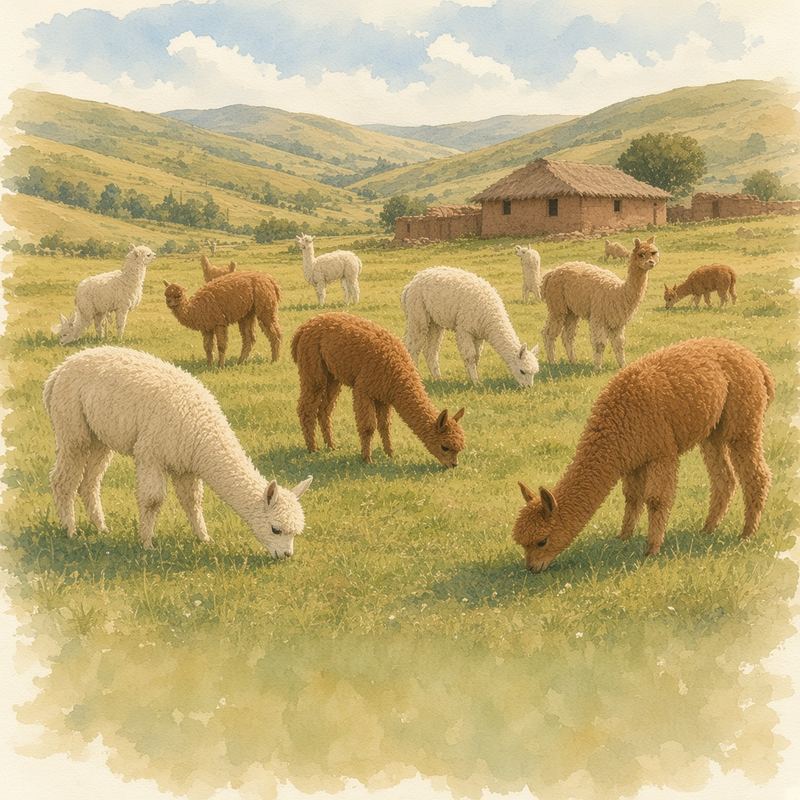
Picture green hills, baskets of fresh grass, and the soft sounds of animals that are used to visitors. Alpacas and llamas are usually easy to see up close. Guanacos may be there too. Vicuñas often stay farther on the hillside — look, and give them space. Vicuña fiber is extremely fine and tightly regulated. Treat any “cheap vicuña” deal as a warning, not a bargain. For most travelers, good alpaca is the practical treasure.

If demos are running, you may see washing, spinning with a drop spindle, natural dyeing, and weaving. Watch the whole chain when you can. Hours are typically about eight A.M. to five or five-thirty P.M., but confirm locally. Entry is often free with a tip box, or you support the place by buying from the shop or café. The shop can run expensive. That sometimes reflects quality and convenience. Decide with clear eyes.

You can reach Awana on a valley tour or by colectivo toward Pisac — often from Calle Puputi in Cusco for roughly five to ten soles, with prices shifting by day. Ask that morning. Carry cash and small bills. Shared vans reward patience.

Ask before photographing people. Tips are often expected for posed photos. Animals against the hills make a strong picture. Then put the camera down for a minute and simply watch one animal eat. The quiet is part of why the stop works.

Pisac’s Plaza de Armas market is an established craft market with a real artisan supply chain. Cusco.tips and other Sacred Valley guides treat Sunday as the biggest day. Tuesday and Thursday are also strong for crafts. Other days tend to feel thinner and more tourist-facing. On Sundays, weavers from surrounding communities are more likely to sell their own work. Asking whether the seller made a piece is a normal and welcome question.

Arrive early if you can — roughly eight to ten A.M. — while the square still feels local and the light is kinder. By mid-morning, coach tours thicken the plaza. By noon, some stalls stiffen prices for group traffic. If shopping matters, independent time usually beats a tour stop that offers only a few rushed minutes.

Look for what the place wants you to notice: stacked textiles in deep reds and earth tones, silver catching sun, painted ceramics, carved gourds called mates burilados with fine scenes of valley life, and instruments such as quenas, panpipes, and charangos. On the food side of Sunday, look for maize, native potatoes, herbs, wood-fired bread, and empanadas. Choclo con queso — giant corn with cheese — remains a classic valley snack when a stall offers it.

Many garments labeled alpaca or baby alpaca are blends. Genuine alpaca feels soft and slightly cool, without that acrylic shine. Handwoven pieces often show small irregularities on the reverse and more complex motifs. For silver, look for a nine-twenty-five or nine-fifty hallmark. Hand-thrown ceramics show throwing lines and slight asymmetry. Perfectly uniform decal pieces are often factory tourist stock.

Bargaining is normal in moderation here. Compare a few stalls. Greet first with buenos días. Offer a fair counter. Buying several items from one vendor often opens kinder math. A handwoven textile represents hours of work, so squeezing someone to the last sol is not fair. If the price will not move, say gracias and walk. Yapa — a small extra — is a reciprocity habit, not something to demand on first hello. Most stalls prefer cash in soles. Cards fail often. ATMs in town can empty on busy Sundays, so withdraw in Cusco first.

A practical shopping tip that saves the whole week: leave the big shopping bag alone. Do not try to buy for everyone you know. Do not haul heavy ceramics through the rest of the day if you still want to walk ruins or climb into a colectivo with dignity. Choose one honest piece you will still love at the airport. Textiles roll. Fragile things need careful wrapping and suitcase space you may not have. It is completely fine to leave without buying.

Pisac’s Inca site above town is included on the Cusco Tourist Ticket. Many travelers do the market early and the ruins mid-morning, or the reverse. The terraces above the valley give a different kind of view — stone stairs, green shelves, and the market noise falling away below.

When the plaza gets loud, step to an edge, put the phone away, and watch one weaver’s hands for a quiet minute. That pause often teaches more than another photo.

Near Pisac’s square, keep lunch simple and local: empanadas, soups, and choclo con queso from market stalls or bakeries with wood-fired ovens. Tip when service warrants it. Carry small bills.

In the wider Sacred Valley, watch for red-flag chicherías — a pole with red cloth, sometimes flowers or rue — signaling fresh chicha de jora and lunch culture in places like Pisac, Urubamba, and Chinchero. Chicha is fermented and contains alcohol. At altitude, sip a little, or try frutillada, the strawberry version. Cusco.tips notes that picantería and chichería culture is mainly lunchtime, not late dinner.

If the day returns you to Cusco with appetite left, lunch-only picanterías remain good anchors. Quinta Eulalia on Choquechaca has been serving since nineteen forty-one and is known for rocoto relleno and courtyard dining. La Chomba on Avenida Tullumayo is known for trout, frutillada, and hearty Andean plates. Quinta Waly is a strong stop for mushroom kapchi. Mamá Trini, up toward San Blas, cooks over wood fire in clay pots. Confirm hours locally. Bring cash. Portions are generous.

Chinchero sits on a plateau near three thousand seven hundred sixty meters — about twelve thousand three hundred fifty feet — higher than Cusco and roughly five thousand six hundred feet above Steamboat Springs. As a day visit after acclimatization it is usually fine. As a first-night sleep spot it is less kind. Move without racing.

Cusco.tips frames Chinchero as weaving heartland: Inca terraces from a royal estate linked to Túpac Yupanqui, a colonial church of Our Lady of the Nativity with a painted interior on Inca walls, and a Sunday market where barter still appears in the local produce section.

At weaving centers and cooperatives, women often demonstrate washing wool with plant-root suds, spinning with the pushka, dyeing with plants, minerals, and cochineal — the cactus insect behind intense reds and purples — then weaving on backstrap looms with named designs. Demos are often free and end in a sales room with no obligation to buy. A handwoven piece can take weeks. Price reflects that. Ask who wove it and which dyes were used. Handmade clues include small irregularities, less uniform color, and a reverse that shows design threads.

The Sunday market has two moods. One side faces visitors with crafts. The other feels more local, with families trading potatoes, corn, and produce, sometimes by barter. Go early. Buying fruit or bread is a simple way to take part without treating people like displays. The archaeological site and church compound are on the Tourist Ticket. Photography inside the church is typically not allowed. Follow posted rules.

Colectivos toward Urubamba via Chinchero take roughly forty-five to sixty minutes from Cusco. A taxi helps if you combine Moray and Maras. Many Sacred Valley tours include Chinchero as a short stop — check how many minutes you actually get. For fiber, independent time usually beats a drive-by.

Acrylic blends shine and pill. Sheep wool is durable and common. Alpaca is warmer for its weight and cool to the touch. “Baby alpaca” refers to fiber fineness, not necessarily a baby animal — ask anyway. Fixed-price shops and cooperatives, including channels around the Centro de Textiles Tradicionales del Cusco and labels such as Sol Alpaca, suit travelers who prefer clear prices. Do not haggle in fixed-price shops. Do bargain gently in open markets. Never buy supposed archaeological objects. Avoid protected-species products.

For transport, colectivos, a taxi, or a private driver can link Awana, Pisac, and Chinchero without rushing. Build buffer for rain and for the conversation that happens when a weaver explains a motif.

On November twenty-ninth, let looking carefully be the point. Touch fiber. Taste something simple. Tip fairly. Leave room in the bag. One honest textile travels better than five regrets.

Nov 30

Vinicunca & Red Valley

Overview

Transcript

Welcome back. November thirtieth starts before dawn — Rainbow Mountain and the Red Valley ahead.

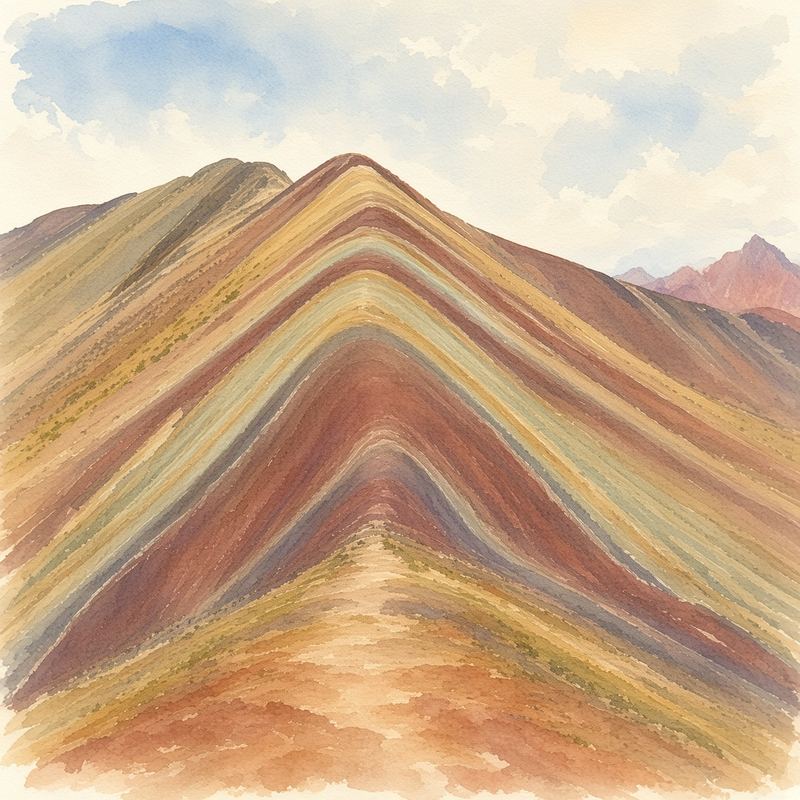
Pickup between four and four-thirty A.M. Pack the warm layer the night before. Rainbow Mountain — Vinicunca — and the Red Valley sit high southeast of Cusco toward Ausangate country. This is a preview for an early alarm, not a dare to ignore altitude.

Early rainy season: cool days often fifty to fifty-nine Fahrenheit in sun; predawn near freezing to the low forties. Fog can hide stripes; afternoon lightning risk rises — hence the early alarm. For a four A.M. start, pack insulating layer under rain jacket, gloves, hat, sunscreen, sunglasses, broken-in boots, snacks, water, patience. Spare battery inside a jacket. Steamboat Springs near sixty-seven hundred feet does not fully rehearse this cold-start theater.

Vinicunca sits roughly five thousand to five thousand two hundred meters — about sixteen thousand four hundred to seventeen thousand feet, on the order of ten thousand feet higher than Steamboat Springs. That number is both impressive and serious. Walk slower than pride wants. Turn around if the body votes no. Altitude is not something to challenge for sport. Horses are often available for portions of the approach — cash, fair negotiation, no shame.

Vans leave in the dark. Heaters become a comfort. Sleep comes in interrupted chapters. Trailheads near fifteen thousand feet greet lungs immediately. The climb’s last segment concentrates vertical gain — many travelers feel this in the temples. Guides set turnaround norms; honor them. Horses and photo sellers appear as part of the modern trail economy — engage fairly or decline politely. Red Valley add-ons mean more walking; budget energy. Descending to denser air can feel like a gift and still leave people wiped. Eat warm food on the return. Nap without guilt.

For photos, keep the sun behind the camera for saturated stripes; a person in frame for scale if they consent. If fog wins, shoot wet-stone texture and the line of hikers. Ask before photographing people or animals with owners — tips are often expected. Stay on marked paths even when a side angle looks tempting.

The stripes look painted, and they are not. BBC Mundo’s twenty eighteen reporting, drawing on Cusco’s Oficina de Paisaje Cultural and geologists including César Muñoz of the Sociedad Geológica del Perú, explains layered sediments — marine, lake, and river deposits from roughly sixty-five million to two million years ago — lifted by tectonics and stained by mineral oxidation and erosion. Pinks and fuchsias from red clays, mudstones, and sand. Whitish bands from quartz sandstone and limestone. Lavender from marl and silicates. Reds from clays. Greens from iron-magnesium-rich clays and copper oxide. Mustard and gold from limonites and sulfur-bearing sandstones. Iron oxides add reddish voices across mixes.

The Red Valley is a quieter iron-tinted corridor of red slopes and ravines communities near Pitumarca have long known — Andina reporting describes access on foot and growing day-visit interest beside Vinicunca. If the itinerary includes Red Valley, treat it as a second chapter, not only a quick photo stop.

The colors are ancient; the global fame is not. Pitumarca tourism official Haydee Pacheco told BBC Mundo that visitor attention surged from early twenty sixteen. Social media did what chronicles never could. Quechua-speaking communities such as Pampachiri and Chillihuani met thousands of strangers. Some found guide and craft work; access and management fights followed. Researchers including Tomczyk and Ewertowski mapped informal braided trails, mud widening, and later hardening with stone steps as communities responded to sudden tourism. Walk marked paths. Tip fairly. Guests leave lighter footprints than the internet suggests.

Geologists interviewed by BBC Mundo pushed back on simple “the glacier melted and revealed a secret mountain” headlines. Juan Carlos Gómez of the Instituto Geofísico del Perú described partial ice cover and temporary snow into the early nineties rather than a full recent unveiling myth. Fabián Drenkhan urged caution without exact local evidence while affirming strong glacial retreat nearby. Local memory of more snow decades ago can be true without turning Vinicunca into a single climate parable. Tell the nuanced version.

Pitumarca district communities saw visitor counts leap from dozens toward hundreds and then toward the thousand-a-day conversations Peruvian media reported within a couple of years after twenty sixteen. That leap is opportunity and stress in the same sentence. Hire local guides when that is the structure offered. Buy crafts without treating poverty as a bargaining sport. Pay posted fees. Pack out trash. Stay on hardened paths and stone steps when they exist — Tomczyk and Ewertowski’s early observations of braided muddy trails are exactly the future nobody needs to recreate. Horses are livelihoods; decline kindly if not using one; pay agreed rates if using one. Do not fly drones into crowded high places without clear permission. Do not scramble unstable colored slopes for a unique angle. The better choice is to stay on the path and be respectful.

Predawn temperatures can flirt with freezing; sun later can warm the climb into the fifties Fahrenheit; wind can undo both stories. Gloves, hat, insulating midlayer, rain shell, sunglasses, high-SPF sunscreen, lip balm, broken-in boots, snacks that will not freeze solid, water that may be very cold. Spare battery in an inside pocket. Headlamp for the vehicle stage if needed. Motion-sickness habits for winding roads if that is a known issue. Altitude medicines only per a doctor’s prior plan. Coca tea may appear at breakfast stops — cultural, not magic armor.

Photo field guide: shoot when the sun angle saturates reds and golds; include a human for scale; if clouds erase color, make texture the subject; avoid stepping off trail for a cleaner foreground; ask before portraits of local vendors and horse handlers; tip when someone poses. The Red Valley’s iron slopes offer a quieter palette — wide shots for scale, tight shots for clay cracks after dry spells, always with path discipline.

Close under Ausangate — remember Salkantay at the week’s start — an apu to the west — and Ausangate to the east. Reinhard and local tradition pair them as brothers, fathers of other peaks, equally powerful. Ritual specialists still seek empowerment from one or the other. The journey draws a line between them — Savage Mountain to mineral rainbow — with cloud forest, rails, citadel stone, thermal steam, and market fiber in between. Qhapaq Ñan’s old road logic still hums under modern vans that leave Cusco at four A.M. Chaskis ran relays; today’s travelers ride heaters and sip mate de coca — different tools, same need for respect at altitude.

Ausangate remains the greater sacred massif in local reverence east of Cusco — Vinicunca’s fame is a new chapter beside an older apu story. Hold both. Salkantay west, Ausangate east, mineral stripes between social media and geology textbooks.

Food for the long day: pack snacks; expect simple breakfast stops on some tours; eat something warm on the ride down. Celebration dinner back in Cusco can wait until stomachs and heads agree. Hydrate even when cold tricks thirst off. Eat breakfast even at absurd o’clock. Pack backup calories. Avoid turning the return to Cusco into a heavy drinking story at seventeen-thousand-foot fatigue. The week’s arc deserves a clear head for the last telling of apu brothers — Salkantay and Ausangate — and for thank-yous to drivers and guides who woke up earlier than everyone else.

Vinicunca’s fame arrived around twenty sixteen like a wave. Communities adapted with guiding, crafts, trail hardening, parking changes. Researchers documented early braiding and mud damage then repairs. Be the visitor who pays entrance or community fees as directed, hires fairly, and leaves no snack wrappers for the next fog to hide. Geology took millions of years to stripe this ridge. A single morning is enough to show respect.

If fog wins the morning, the week still counts — Savage Mountain, cloud forest, Old Peak, steam, fiber, and a mineral ridge that taught patience. That patience is the last souvenir.

Picture the stripe ridge under a break in cloud, a line of hikers like punctuation, Ausangate pale in the distance, and a pocket snack shared without ceremony. That image is enough. Geology, community fees, fair tips, and marked paths keep the image possible for the next visitor.

Phones saturate reds; eyes remember wind. Take fewer frames and longer looks. If a community collector asks for a fee, pay the posted amount without arguing. Vinicunca’s twenty sixteen fame wave still needs twenty twenty-six manners. Red Valley’s quieter reds may outlast the crowd’s attention span — walk them if energy remains. Then let the van heater finish the story while someone finally eats the emergency granola bar that survived the whole week.

On November thirtieth, tell each other which story stuck — Arteaga’s sol in the rain, a red-flag chichería, a weaver’s cochineal red, a condor overhead over Salkantay, or stripes that turned out to be geology’s patience. The Andes will keep the rest.

Buen viaje, and thank you for listening.